
Exploring how cultural perceptions shape the world of gambling
Exploring how cultural perceptions shape the world of gambling
The Influence of Culture on Gambling Attitudes
Cultural perceptions profoundly influence how gambling is viewed across different societies. In many Western countries, gambling is often seen as a form of entertainment, a way to enjoy leisure time and socialize with others. This contrasts sharply with places where gambling is heavily stigmatized, viewed as immoral or detrimental to social fabric. Understanding these differences helps illuminate why certain regions embrace gambling while others impose strict regulations or outright bans. For those interested in the latest trends, exploring options like aus online pokies can provide insights into this evolving landscape.

In cultures where gambling is embedded in social rituals, such as in some Asian communities, the practice may be tied to traditions and family gatherings. This cultural context shapes not only the frequency of participation in gambling activities but also the types of games that are popular. For instance, games like Mahjong or Pai Gow hold significant cultural importance and often see participation in social contexts rather than solely for monetary gain.
Legal Frameworks and Their Cultural Roots
The legal status of gambling in various regions is often a reflection of cultural beliefs and values. In countries with a strong religious influence, such as those adhering to Islam, gambling is frequently prohibited. This ban is rooted in cultural interpretations of morality and ethics, which shapes public opinion and influences lawmakers. In contrast, jurisdictions with a more secular approach to governance may allow gambling, reflecting a cultural acceptance of personal freedom and individual choice.
These legal frameworks can also foster particular gambling environments. For instance, places with a legal gambling industry often invest in regulations to promote responsible gaming, influenced by the belief that gambling should be a regulated and safe activity. This regulatory approach varies widely, reflecting the local culture’s attitude toward risk and responsibility.
The Role of Media and Popular Culture
Media representations of gambling play a crucial role in shaping cultural perceptions. Films, television shows, and advertisements often glamorize gambling, portraying it as an exhilarating pursuit filled with glamour and excitement. Such portrayals can influence societal attitudes, making gambling more appealing, particularly among younger audiences who may be swayed by these representations.
Conversely, media can also highlight the negative consequences of gambling, such as addiction and financial ruin. These narratives contribute to the stigma that can exist in certain cultures, reinforcing negative perceptions and potentially leading to calls for stricter regulations. Thus, media serves as a double-edged sword, capable of either promoting or hindering the acceptance of gambling in various societies.
The Impact of Technology on Gambling Culture
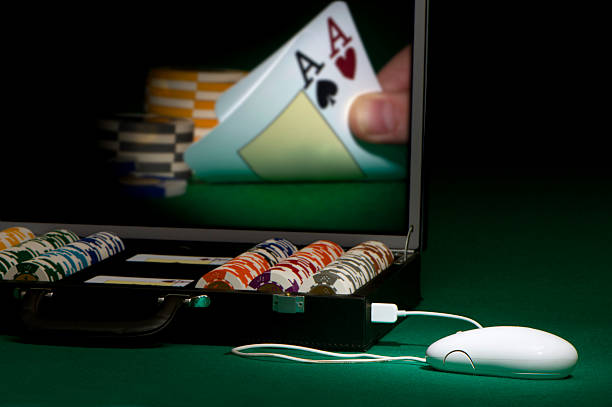
Advancements in technology have transformed the gambling landscape, making it more accessible and integrated into daily life. Online casinos and mobile gaming apps have broken geographical barriers, allowing individuals from diverse cultural backgrounds to participate in gambling from the comfort of their homes. This shift not only changes how people engage with gambling but also influences cultural perceptions as traditional methods of gambling evolve.
The rise of online gaming has sparked discussions about its implications for cultural attitudes toward gambling. In cultures where traditional gambling is heavily regulated, online platforms may be viewed with skepticism or fear. Conversely, in more liberal societies, the growth of online gambling can be seen as a validation of personal freedom and consumer choice, reflecting a more accepting cultural attitude towards gambling as a legitimate form of entertainment.
Exploring Best Online Casinos for Australian Players
In the context of changing cultural perceptions and technological advancements, finding reputable online casinos has become essential for players looking to explore new gaming experiences. The best online casinos are those that not only comply with local laws but also cater to the specific preferences and values of their players. This customization enhances the gaming experience and aligns with cultural attitudes towards gambling.
In Australia, for example, there is a growing demand for platforms that prioritize safety, responsible gaming, and engaging gameplay. By focusing on these aspects, online casinos can create a positive environment that respects cultural nuances and enhances the enjoyment of players. Thus, understanding cultural perceptions is crucial for both players and operators in the evolving world of gambling.

0 comments